



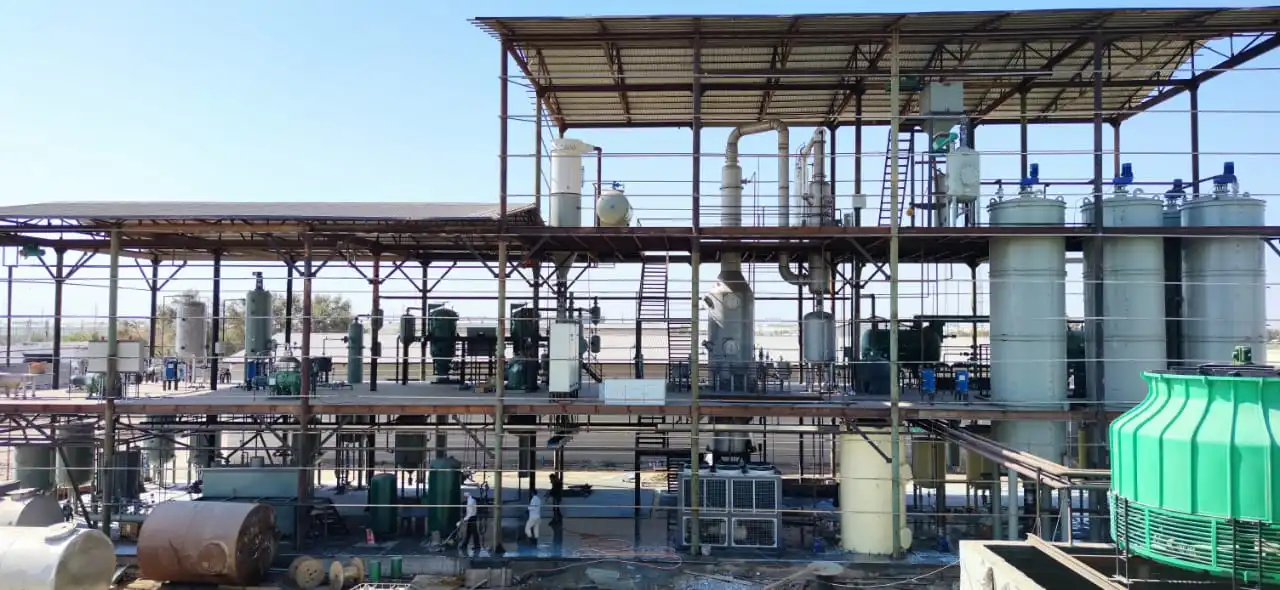
Oil machines play a vital role in the agriculture and food processing industries by extracting oil from various seeds and nuts such as mustard, sunflower, soybean, groundnut, and sesame. With growing demand for pure and hygienic edible oils, modern oil extraction machines have become essential for small businesses, commercial units, and large-scale production facilities.
What Are Oil Machines?
Oil machines, also known as oil expellers or oil presses, are mechanical devices designed to extract oil from oil-bearing seeds. They apply pressure and sometimes controlled heat to release oil efficiently while preserving nutritional value. Depending on the production scale, oil machines are available in manual, semi-automatic, and fully automatic models.
These machines are built with strong steel bodies, high-quality pressing chambers, and durable motors to ensure long-lasting performance. Their design focuses on maximizing oil yield while minimizing waste.
Types of Oil Machines
There are different types of oil machines available to meet varying production needs. Cold press oil machines extract oil without excessive heat, preserving natural nutrients and flavor. These machines are ideal for producing premium, chemical-free oils. On the other hand, hot press oil machines use controlled heating to increase oil yield, making them suitable for commercial production.
Industrial oil expellers are larger systems designed for high-capacity output. They are commonly used in oil mills and processing plants where efficiency and productivity are key priorities.
Benefits of Using Modern Oil Machines
One of the main advantages of modern oil machines is efficiency. They reduce manual labor and increase production speed, allowing businesses to meet market demand effectively. Advanced models are designed to consume less energy while delivering higher oil extraction rates.
Another significant benefit is quality control. With proper temperature and pressure regulation, oil machines help maintain the purity, taste, and nutritional value of extracted oil. This ensures that customers receive fresh and healthy products.
Oil machines are also cost-effective in the long run. While the initial investment may vary depending on capacity and features, these machines offer consistent performance and durability, resulting in higher returns over time.
Maintenance and Performance
Regular maintenance is crucial to ensure optimal performance of oil machines. Cleaning the pressing chamber, checking motor alignment, lubricating moving parts, and replacing worn components can extend the lifespan of the equipment. Proper care prevents breakdowns and maintains steady production levels.
Conclusion
Oil machines are an essential investment for businesses involved in oil production and processing. They provide efficiency, durability, and high-quality output, making oil extraction faster and more profitable. With the right machine and proper maintenance, businesses can deliver pure, fresh oil while maximizing productivity and ensuring long-term success in the competitive market.